

News Investigators/ A study by Moniepoint, a Nigerian fintech company has shown that the nation’s food service industry reached an estimated $11.09 billion in 2025, driven by real-time digital payment infrastructure.
The study’s findings was made known in a statement on Friday by the Moniepoint Group Chief Executive Officer, Tosin Eniolorunda.
Moniepoint is a Nigerian fintech company based in Lagos that provides banking services and loans via an online banking app.
The Moniepoint study projected that the market would reach $19.31 billion by 2030, expanding at an annual rate of 11.73 per cent through digital payments, cloud kitchens and delivery platforms.
“The industry has shifted from cash-dependent operations plagued by delays, theft and limited credit to a technology-driven ecosystem supporting faster transactions and business expansion,” the report said.
It traced the industry’s evolution from Kingsway Rendezvous in 1973 and Mr Bigg’s in 1986 to today’s thriving quick-service restaurants and digital food businesses.
It said food and beverage businesses now ranked as the second-largest merchant category on Moniepoint’s platform, behind only the retail sector in transaction volume.
The study found that manual payment verification previously delayed transactions by two minutes to five minutes during peak periods, while fragmented payment systems increased operational leakages and inefficiencies.
“Limited access to credit is another challenge, as collateral-based lending excluded many viable businesses from financing despite sustained transaction records and growing customer demand.
“International Finance Corporation estimates show that Nigeria’s MSME financing gap reached $32.2bn in 2022, with women owning 86.8 per cent of food service businesses,” the study disclosed.
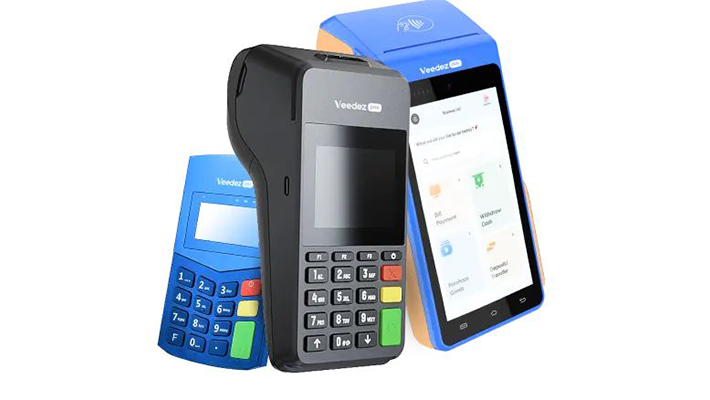
It noted that instant settlement, automated payment confirmation and transaction-based lending enabled operators to restock faster, improve cash flow and access credit without property collateral.
It said the innovations, alongside Nigeria’s cashless policy, drove a 2,823 per cent increase in quick-service restaurant terminal usage across its payment platform.
The report added that integrated business tools now helped restaurant operators monitor inventory, detect operational leakages and consolidate orders from delivery apps, social media and physical outlets.
The study found that transaction volumes peaked between 1:00 p.m. and 2:00 p.m., with another surge occurring around 7:00 p.m., while online food delivery remained strong beyond 10:00 p.m.
It added that card payment activity recorded its biggest monthly increase between November and December, while April remained the slowest month, with transactions 46.3 per cent below December.
Reacting to the report, Eniolorunda said that future competitiveness depended on integrating payments with inventory, procurement, credit and other daily business operations.
The Moniepoint boss said that its digital solutions were designed to provide food entrepreneurs with an integrated operating system supporting financial inclusion, operational efficiency and sustainable business growth.
NAN