

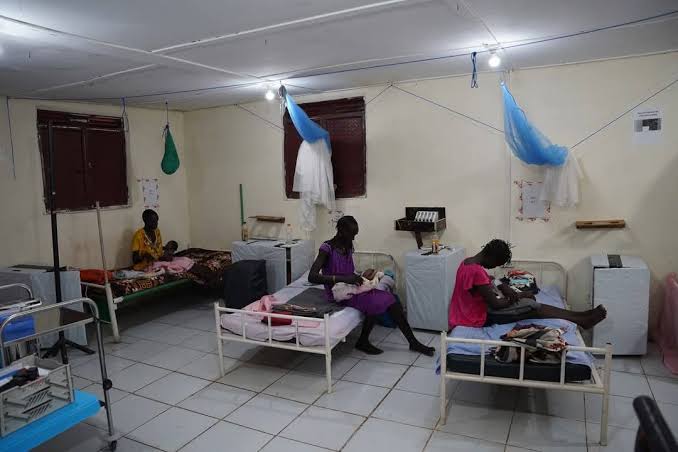
News Investigators/ Patients, healthcare workers and other stakeholders have called for improved healthcare delivery in general hospitals across Niger, Kogi and Nasarawa states, citing inadequate manpower, overstretched facilities and shortages of medical equipment.
A News Agency of Nigeria (NAN) survey showed that although healthcare services in many public hospitals were generally rated above average, significant gaps remained in infrastructure, staffing and essential services.
At the General Hospital, Minna, respondents acknowledged recent investments by the Niger Government in infrastructure, equipment and staff recruitment.
However, they said increasing patient turnout had placed enormous pressure on available resources.
A nurse at the hospital, who spoke anonymously, commended government efforts but stressed the need for more healthcare workers and expansion of facilities.
“This administration has honestly tried. We have new buildings under construction, working tools and newly recruited staff.
“But considering the large number of people seeking medical care here daily, the government still needs to do more,” she said.
Patients and relatives also expressed satisfaction with the quality of care received but complained of long waiting hours due to inadequate numbers of doctors.
Mr Ibrahim Abdullahi, a patient, said the hospital had competent personnel but was overwhelmed by the volume of patients seeking treatment.
A medical doctor at the facility, who declined to be named, identified inadequate staffing as one of the hospital’s major challenges.
He said shortages of doctors, nurses and other healthcare professionals, worsened by migration and rising healthcare demands, had increased the patient-to-doctor ratio.
Dr Musa Yahaya, a public health expert, said strengthening general hospitals remained critical to improving healthcare outcomes.
According to him, increased funding, recruitment of health workers and regular supply of drugs and equipment would significantly enhance service delivery.
At the Umaru Sanda Ndayako General Hospital, Bida, patients and relatives complained of prolonged delays in accessing medical care.
Mr Daniel Bako, an accident victim, said he arrived at the hospital at about 7 a.m. but did not see a doctor until around 5 p.m.
He attributed the situation to shortages of doctors and the growing number of patients seeking treatment.
A staff member of the hospital also confirmed that the facility required more doctors as well as renovation and expansion.
Similarly, respondents at Suleja General Hospital cited inadequate manpower, poor maintenance culture and insufficient facilities as major challenges.
Some patients also complained about the high cost of treatment, inadequate water supply and poor sanitary conditions in parts of the hospital.
Speaking on the concerned raised, Dr Murtala Bagana, Niger Commissioner for Health, acknowledged that there were still gaps in health workforce, structures and equipment.
He, however disclosed that plans were on to recruit additional 2,500 medical and health workers to further strengthen healthcare delivery.
Bagana stressed the state government’s commitment to closing the existing gaps through continuous recruitment, training, retention strategies, and infrastructure development.
In Kogi, a health official with the Kogi State Health Insurance Agency (KSHIA) identified manpower shortages, inadequate medical equipment, irregular power supply and insufficient water supply as major constraints affecting healthcare delivery.
According to the official, increasing patient numbers had placed pressure on the limited healthcare workforce and hindered effective diagnosis and treatment.
Mrs Yemisi Musa, a caregiver at the Kogi State Specialist Hospital, described inadequate water supply as a persistent challenge affecting patients and their relatives.
She appealed to relevant authorities to address the situation urgently, stressing that adequate water supply was essential for maintaining hygiene standards.
The KSHIA official called for increased government investment through the recruitment of additional healthcare workers, provision of modern equipment and rehabilitation of health facilities.
Responding, the Chief Medical Director of the Kogi State Hospitals Management Board, Dr Ayo Olayemi, said the state government had begun addressing the challenges.
Olayemi disclosed that Gov. Ahmed Ododo had approved the immediate recruitment of medical doctors, while plans were underway to recruit more nurses and other healthcare professionals.
He added that the government’s approval of an additional N300,000 salary package for doctors had helped attract more healthcare professionals and improve staff morale.
The management of the Kogi State Specialist Hospital, Lokoja, also announced the installation of new lithium batteries to improve power supply to its digital health infrastructure.
In Nasarawa, stakeholders commended the state government for improvements recorded in healthcare delivery across general hospitals.
Mr Aboki Jonah, Nasarawa State Coordinator of Civil Society Scaling Up Nutrition in Nigeria (CS-SUNN), said investments in hospital rehabilitation, equipment and drug supply had enhanced patient care.
Similarly, Dr Peter Attah, Director of Public Health at the Ministry of Health, said more than 15 general hospitals had been renovated, equipped with solar power systems and supported through a strengthened drug revolving fund.
Stakeholders across the three states, however, urged governments at all levels to prioritise healthcare funding, improve workers’ welfare and address manpower shortages to curb brain drain and strengthen healthcare delivery.
NAN