

News Investigators/ Nigeria has demanded increased funding for the International Court of Justice (ICJ), warning that financial constraints could undermine access to international justice.
The Federal Government also advocated stronger financial assistance to enable developing countries to pursue and defend international legal claims.
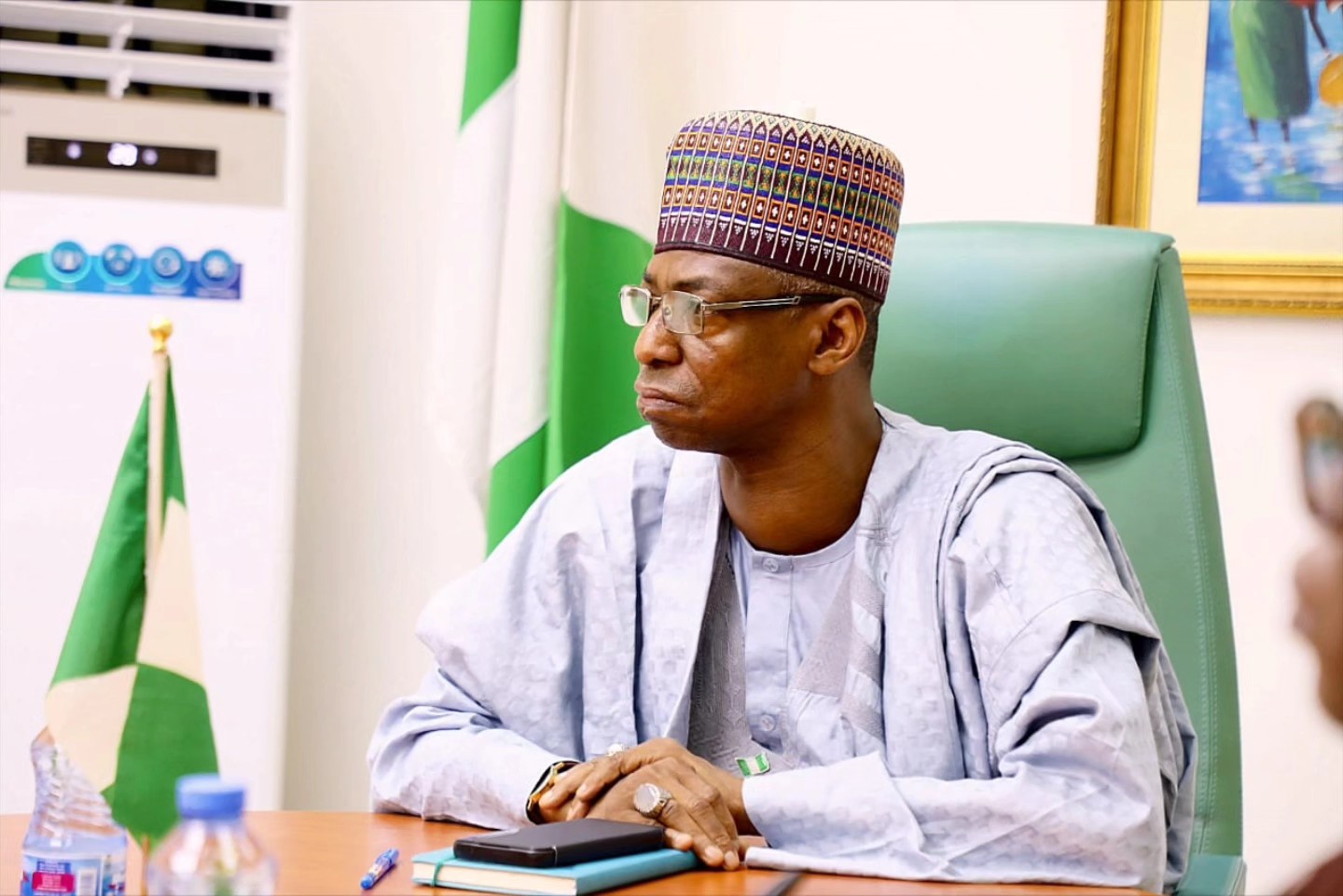
The Permanent Secretary, Ministry of Foreign Affairs, Dunoma Ahmed, presented Nigeria’s position during Thursday’s General Assembly debate on the annual report of the International Court of Justice.
Amb. Ahmed said the Court remained central to the peaceful settlement of international disputes and the maintenance of international law.
He welcomed the Court’s continued contribution to resolving disputes involving territorial boundaries, diplomatic obligations and other matters.
He noted that 88 countries participated in proceedings before the Court during the reporting period.
Amb. Ahmed said the Court delivered one judgment, two advisory opinions and 16 orders during the period.
The permanent secretary also welcomed amendments to the Court’s rules requiring greater transparency concerning compliance with provisional measures.
He maintained that stronger transparency would improve accountability and confidence in international judicial decisions.
Recalling Nigeria’s experience, he highlighted the Court’s October 10, 2002, judgment in the territorial dispute between Nigeria and Cameroon.
He said the subsequent 2006 Greentree Agreement demonstrated how international adjudication and political cooperation could resolve sensitive territorial disagreements.
Ahmed also acknowledged the contributions of Nigerian jurists, including former ICJ President Judge Taslim Elias.
He subsequently presented three recommendations for strengthening the Court’s effectiveness.
Firstly, he demanded adequate and predictable funding, including resources for a proposed electronic case-management system in the Court’s 2027 budget.
Secondly, he urged governments to support the Secretary-General’s Trust Fund assisting countries involved in proceedings before the Court.
He said financial assistance was particularly important for developing countries facing difficulties pursuing international legal claims.
Thirdly, he advocated stronger cooperation between the Court and national judiciary, particularly across Africa.
He also called for greater support for the Judicial Fellowship Programme, enabling young lawyers from developing countries to gain international judicial experience.
He reaffirmed its commitment to peaceful dispute settlement and respect for judgments and orders of the International Court of Justice.
NAN