

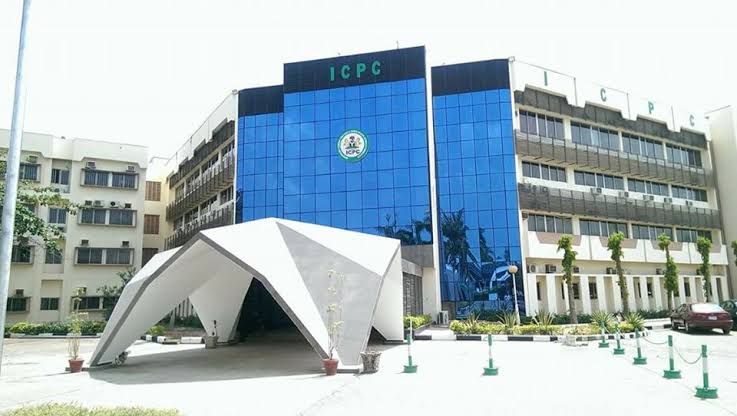
News Investigators/ The Anti-Corruption Academy of Nigeria (ACAN) says the surest way to kill corruption in government is to arm those who handle public money with forensic skills.
Provost of ACAN, Sheriff Ibrahim, stated this at the ongoing workshop on “Achieving Zero Tolerance for Fraud and Corruption in MDAs through Forensic Accounting and Auditing.”
The News Agency of Nigeria (NAN) reports that ACAN is a training and research arm of the Independence Corrupt Practice and Other Related Offences Commission (ICPC).
Prof. Ibrahim said the training was deliberately targeted at accountants, auditors and custodians of public accounts because they sit at the “flashpoints” of corruption.
“Those who deal with public accounts and procurement are actually parties to corruption. That is why this particular training targets accountants, auditors, and those who are the custodians of public accounts.
“The aim is to show participants the loopholes, temptations and weak points in their offices and how to resist them.
“Any office that deals with public account and treasury is vulnerable. Anybody in such a position could be tempted,” Ibrahim said.
He said that the workshop was aimed at teaching the legal consequences of fraud.
“Ignorance of the law is not an excuse. We show them the repercussions, the liability, and how breaches will be experienced,” he said.
According to him, through continuous training and retraining, Nigeria can build a public service culture rooted in accountability, transparency and integrity.
The provost said ACAN’s mandate under ICPC went beyond arrest and prosecution, adding that prevention through education is the priority.
“We deal with prevention, public enlightenment, creating awareness, as well as making sure that people receive proper knowledge of the repercussions of corrupt practices.
“Prevention is better than cure. How do you strategise and prevent the occurrences of corruption?”
Ibrahim said that ACAN ran monthly trainings and has held sessions every month since February.
He said previous trainings in the year covered chief executives, heads of administration, bursary staff and members of Anti-Corruption and Transparency Units (ACTU).
“Each and every unit has been co-opted into this particular training,” he said.
NAN