
News Investigators/ The Nigerian Supreme Council for Islamic Affairs (NSCIA) and Jama’atu Nasril Islam (JNI) have cautioned Islamic clerics against political partisanship, hate speech, and the spread of misinformation
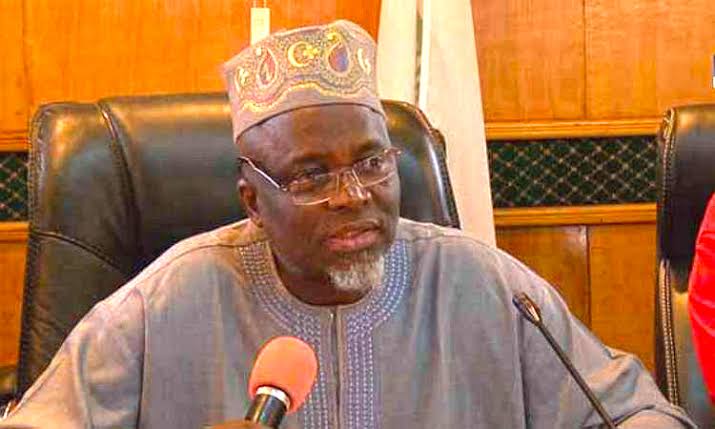
Speaking at a capacity-building workshop for islamic clerics from Northern Nigeria in Abuja on Wednesday, NSCIA Secretary-General, Prof. Is-haq Oloyede, urged clerics to champion responsible communication in their sermons.
The workshop themed, “Building Resilient Communities through Fact-Checking and Media Information Literacy”, was organised by Alkalanci for Islamic clerics and scholars from across Northern Nigeria.
Represented by the NSCIA Public Affairs Officer, Abbas Jimoh, he said misinformation and disinformation contribute to communal clashes, heightens religious tension and mistrust in the society.
He said, “In Northern Nigeria, as well as across the country, our communities are navigating a complex information ecosystem.
“Rumours spread faster than truth. Misinformation fuels mistrust, inflames divisions and too often, leads to real-world harm, from health crises to communal conflict.
“Unfortunately, misinformation and disinformation have contributed to misunderstanding among communities, heightened religious and ethnic tensions, undermined public trust and, in some instances, fueled insecurity and violence.
“The consequences are particularly severe in societies where emotions, identities and beliefs can easily be exploited by malicious actors.
“This reality places a significant responsibility on religious leaders. Islamic clerics and scholars occupy positions of trust and influence within society.
“Every week, millions of Nigerians receive guidance from their Imams, teachers and scholars through sermons, lectures, study circles, and community engagements.
“As trusted voices, religious leaders are uniquely positioned to promote truth, caution, verification, critical thinking, and responsible communication. ”
According to him, the principles of fact-checking and information verification are deeply rooted in Islamic teachings.
He said Allah in the Glorious Qur’an Surah Al-Hujurat, Verse 6 (49:6), instructs believers to verify information before acting upon it, warning against the dangers of spreading unverified reports.
“Religious leaders must become champions of truth, peace, and informed citizenship. They must encourage the communities to pause before sharing information, verify before believing and seek evidence before making judgments.
” By doing so, they contribute to social harmony, national unity, and sustainable development,” he said.
Also speaking, the Secretary General of the Jama’atu Nasril Islam (JNI) National Headquarters and Imam National Mosque,Prof. Khalid Aliyu, urged the clerics to be apolitical and always verify information before sharing.
He however, urged the political class not to entice cleric, adding that this could box them in a corner.
“They should verify information and respect themselves and be apolitical.
“They should see themselves as people that have spiritual responsibility to guide and not mislead.
In his welcome address, convener of the workshop and Editor, Alkalanchi, Alhassan Bala, said the gathering was both timely and necessary because electioneering campaign for 2027 Nigeria’s general Election will soon commence.
“As it has been monitored and reported by different research organisations whenever election approaches misinformation/disinformation by local actors is expected to rise.
“Also, foreign information manipulation and interference is also expected as some countries have much interest in Nigeria’s election,” he said.
He said the workshop would also equip the cleric from not falling into the trap of fake news and misinformation.
“We are also in a time where AI generated pictures, videos and audios known as DEEPFAKE are becoming sophisticated.
“This is another important reason for community leaders like you to have knowledge and possible way of protecting yourselves and community from falling into the trap of falsehood actors,” he said.
NAN