
News Investigators/ The President, Association of Waste Managers of Nigeria, Olugbenga Adebola, says global recycling economy will reach $4.5 trillion by 2030.
Mr Adebola disclosed this in an interview with the News Agency of Nigeria (NAN) on Saturday in Lagos.
Mr Adebola said the projection highlights vast investment opportunities in recycling and circular economy, especially for rapidly growing cities like Lagos.
He described waste management as capital-intensive, requiring huge investments across bins, collection logistics, and processing infrastructure such as material recovery and waste-to-energy facilities.
According to him, high inflation, rising fuel costs, and expensive financing significantly increase operational costs for investors in the sector.
He noted that recycling infrastructure demands higher upfront investment but offers long-term economic and environmental benefits compared to landfill management.
“Waste is not a social service. Investors must recover costs within a reasonable timeframe,” he said.
Mr Adebola stressed that effective waste collection and segregation remain critical to achieving a functional circular economy.
He disclosed that private operators in Lagos have created over 26,000 jobs, spanning formal and informal sectors, including waste pickers and recyclers.
The expert added that efforts were ongoing to formalise thousands of informal waste workers to improve livelihoods and efficiency.
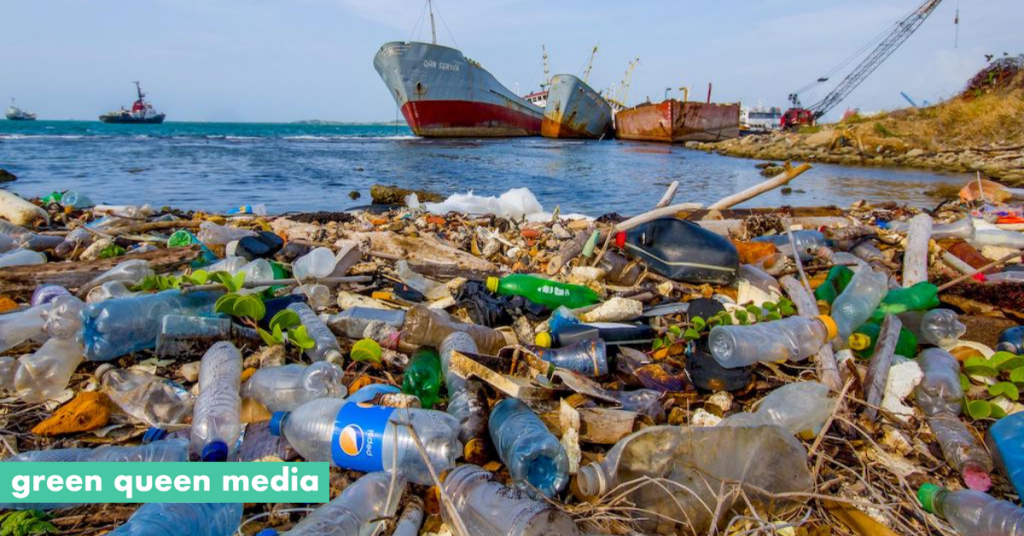
On environmental impact, he warned that poor waste disposal contributes to flooding, groundwater pollution, and microplastic contamination in oceans.
He said recycling helps reduce environmental degradation and promotes sustainability across urban centres.
Mr Adebola, however, said Nigeria’s major challenge lies not in policy formulation but weak enforcement and poor implementation.
He urged regulators, including Lagos Waste Management Authority, to strengthen monitoring and enforcement mechanisms.
He called for enabling policies such as long-term concessions, infrastructure support payments, and cost-reflective tariffs to attract investment.
Mr Adebola also advocated enforcement of the polluter-pays principle to ensure financial sustainability in the sector.
He stressed the need for public awareness campaigns to change perception and encourage viewing waste as a valuable resource.
On future prospects, he described Nigeria’s rising population as an opportunity to harness increased waste generation for economic value.
Mr Adebola recommended waste traceability systems to ensure accountability among generators and operators.
He identified key challenges as high interest rates, lack of green financing, policy inconsistency, and bureaucratic bottlenecks.
Mr Adebola commended the Lagos State Governor, Mr Babajide Sanwo-Olu, for the ongoing reforms and urged other states to prioritise sustainable waste management.
He reiterated that waste should be treated as a resource capable of driving economic growth and environmental sustainability.
NAN