
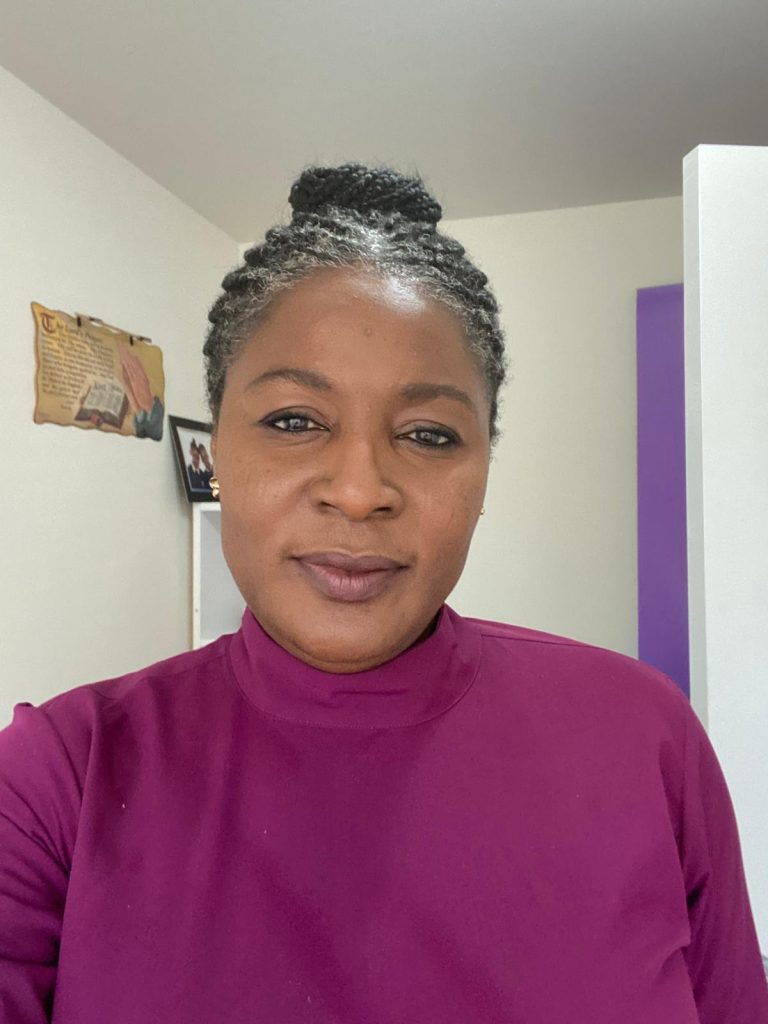
By Carmen Uwaila Ibie
For decades, Nigeria has battled multiple crises simultaneously—terrorism, banditry, kidnapping, communal conflict, youth unemployment, poverty, declining public confidence, and economic instability. Governments have changed, security strategies have evolved, and numerous economic policies have been introduced.
Yet, millions continue to ask the same question: What is the missing piece? I believe that Nigeria’s greatest untapped resource is not hidden beneath its soil, nor solely within its political institutions. It lies within the extraordinary influence of its faith communities. Nigeria is one of the most religious nations in the world. Churches and mosques are present in virtually every community, often reaching people more consistently than many public institutions. Religious leaders command enormous respect, inspire trust, and influence the daily lives of millions.
This influence, if united around a common national vision, could become one of the greatest catalysts for peace, stability, and economic renewal.
A New National Compact
My proposal is simple: establish a structured partnership between the Government, Christian leaders, Muslim leaders, traditional institutions, civil society, and international partners where appropriate. Such a partnership would not replace democratic government, nor would it compromise the secular nature of the Nigerian state. Instead, it would strengthen national development by bringing together the country’s most influential institutions around shared objectives. Western allies and international development partners could serve as neutral facilitators, technical advisers, and supporters of institutional reforms, while ownership of the process remains firmly with Nigerians.
Speaking With One National Voice
Nigeria’s diversity is one of its greatest strengths, but it has often been exploited to deepen division. Imagine if the General Overseers and leaders of the major Christian denominations, alongside respected Muslim leaders and representatives of traditional institutions, committed themselves to a shared national agenda that transcends politics and ethnic identity. If Christian leaders consistently spoke with one voice on issues affecting national development, and Muslim leaders likewise united around the same principles of peace, justice, accountability, and national prosperity, millions of Nigerians would receive a consistent message that places the country above division. Such unity would not erase theological differences. Rather, it would demonstrate that different faiths can work together in pursuit of the common good.
Transforming Security Through Communities
Security cannot be achieved through military operations alone. Religious institutions possess extensive grassroots networks that extend into villages, towns, cities, and remote communities where government presence may be limited.These networks could support:
- Early identification of community tensions before violence erupts.
- Youth engagement programmes that reduce recruitment into criminal and extremist groups.
- Peace building initiatives between communities.
- Rehabilitation and reintegration support for vulnerable individuals.
- Community-based education on rejecting violence and promoting lawful citizenship.
When communities trust those delivering the message, peace becomes more sustainable.
Economic Renewal
Through Faith-Based Action, churches and mosques already mobilise millions of volunteers and significant charitable resources. Working alongside the government, these institutions could expand their role by supporting:
- Skills acquisition and vocational training.
- Entrepreneurship development.
- Agricultural cooperatives.
- Financial literacy.
- Job creation initiatives.
- Support for small businesses.
- Poverty reduction programmes.
Rather than duplicating government efforts, faith organisations could complement them through locally driven initiatives that reach underserved communities.
Reforming Education and Healthcare
Religious organisations have historically played significant roles in Nigeria’s education and healthcare sectors. A coordinated national strategy could encourage collaboration in:
- Improving educational standards.
- Promoting values-based leadership.• Expanding access to primary healthcare.
- Supporting mental health services.• Addressing substance misuse among young people.
- Strengthening family support systems.
These are areas where trust between institutions and communities is already well established.
Building a Culture of National Responsibility
Perhaps, the greatest transformation would be cultural rather than political. Every week, tens of millions of Nigerians gather in churches and mosques. If every sermon, teaching, and community programme consistently reinforced values such as integrity, respect for life, accountability, peaceful coexistence, hard work, responsible citizenship, and rejection of corruption, Nigeria could experience a gradual but profound cultural renewal. National transformation begins with transformed people.
The Role of Government
Government remains constitutionally responsible for security, economic policy, justice, and public administration.This proposal does not seek to transfer governmental authority to religious institutions. Instead, it recognises that government achieves more when it works alongside trusted community institutions that already possess extensive reach and influence. A formal National Faith and Social Development Council could provide an ongoing platform for dialogue, policy collaboration, conflict prevention, and coordinated community development while respecting Nigeria’s constitutional framework and religious freedom. A Shared Future Nigeria does not lack intelligence, natural resources, or resilient people. What has often been missing is sustained national unity around common goals. If government, Christian leaders, Muslim leaders, traditional institutions, civil society, and international partners can unite behind a shared vision of peace, security, justice, and prosperity, Nigeria could begin a new chapter in its history.The strength of Nigeria has never been found solely in its institutions. It has always been found in its people. When those who shape the hearts and minds of millions choose collaboration over division, the possibility of lasting peace becomes far greater.The solution to Nigeria’s future will not come from one sector acting alone. It will come from a national partnership that recognises that lasting security, economic recovery, and social renewal are everyone’s responsibility. Nigeria’s greatest asset is not simply its oil or its economy—it is the collective influence of its people and the institutions they trust. Harnessed wisely, that influence could become the foundation upon which a safer, stronger, and more prosperous nation is built.
Carmen Uwaila Ibie writes from Watford, England, United Kingdom.