
News Investigators/ Nigeria and other West African countries are developing interconnected payment systems to ease cross-border transactions, facilitate regional trade and reduce reliance on foreign currencies.
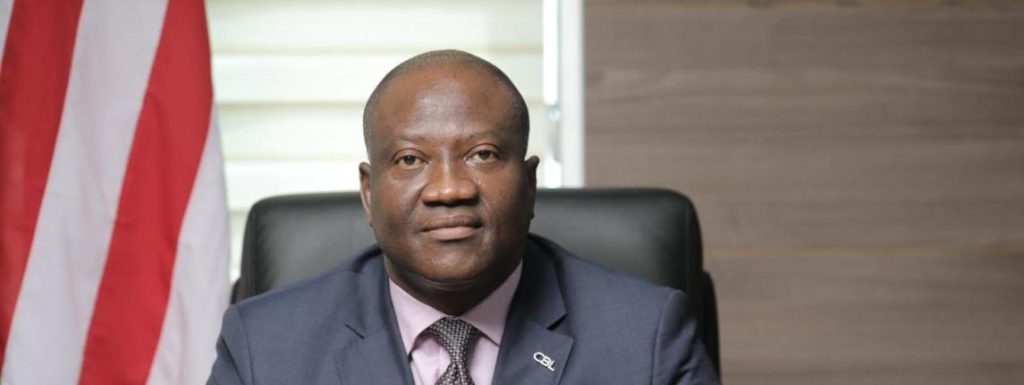
Henry Saamoi, Executive Governor of the Central Bank of Liberia, disclosed this on Wednesday during an interview with newsmen in Balaclava, Mauritius.
Mr Saamoi spoke with the journalists ahead of the launch of the 2026 State of Inclusive Instant Payment Systems (SIIPS) in Africa report by the AfricaNenda Foundation, scheduled for Thursday.
The governor said ECOWAS countries are developing domestic instant payment systems that would eventually connect to a regional payment and settlement infrastructure to facilitate seamless transactions across member states.
He said a consultant working on the ECOWAS initiative had proposed a three-country hosting arrangement, with Nigeria hosting the instant payment system, the West African Monetary Union’s central bank (BCEAO) hosting the real-time gross settlement system, and Ghana serving as backup.
“I like the three-country approach because we are a region, we are a bloc, and so having just one country dominate the payment system, for me, I have some issues, and I support the three-country approach,” he said.
Mr Saamoi said the arrangement could promote regional ownership, resilience and cooperation, while leveraging the payment infrastructure and experience of the participating countries.
He said the proposed system could also reduce dependence on the dollar for cross-border transactions, which he identified as one of the impediments to seamless regional payments.
The governor said Liberia currently used the Pan-African Payment and Settlement System (PAPSS), which enabled transactions between countries to be settled in their respective local currencies.
“If you have a trader in Liberia that is making payment to Nigeria or to Ghana, they get settled in the local currency.
“That is what we are doing currently. So, we are using the PAPSS system for settlement,” he said.
He expressed hope that the proposed ECOWAS payment arrangement would adopt a similar model, although the settlement currency and other operational details were yet to be determined.
Saamoi said Liberia had recorded progress in digital payments following the introduction of its Inclusive Instant Payment System (IIPS), which was launched in December 2025.
He said the system had facilitated millions of transactions in Liberian and United States dollars, while supporting government-to-person payments, including salaries to civil servants.
The governor said the Central Bank was also working to expand the system to government payments, commercial banks, fintech operators and financial service providers, while developing a national electronic payment switch.
He said the switch, expected to be ready by the end of the first quarter of 2027, would enable customers to transfer money between banks and other financial institutions without the limitations of existing payment silos.
Saamoi said Liberia is targeting an increase in financial inclusion from 52 per cent to between 70 and 75 per cent by the end of 2029.
He urged countries yet to introduce instant payment systems to embrace the technology, describing it as critical to financial inclusion and the development of the digital economy.
“I will encourage every country that hasn’t embarked upon an instant payment system to begin to think about it, because that’s the way, the future of world economy is digital,” he said.
NAN