
News/ The Nigeria Centre for Disease Control and Prevention (NCDC) has stepped up surveillance and emergency response following an Ebola outbreak in the Democratic Republic of the Congo and a confirmed imported case in Uganda.
Although Nigeria has recorded no confirmed case of Ebola, NCDC emphasised that they were maintaining heightened vigilance due to increasing regional mobility and the risk of cross-border transmission.
In a public health advisory signed by NCDC Director-General, Jide Idris, the agency said it was closely monitoring developments in affected countries and coordinating preparedness efforts with the Port Health Services and other stakeholders.
“Response activities are ongoing in affected areas, and we are ensuring continued vigilance within Nigeria’s public health system,” Idris said.
Highlighting preparedness measures activated, Idris said NCDC had strengthened nationwide surveillance systems for Ebola and other epidemic-prone diseases, while intensifying event-based monitoring and coordination with state health authorities.
Other measures include enhancing laboratory and diagnostic readiness, strengthening infection prevention and control awareness in healthcare settings, and expanding community engagement and public risk communication.
He further said the agency was closely tracking global and regional developments to ensure a rapid response if the situation changed.
Ebola Virus Disease is a severe and often fatal viral infection transmitted through direct contact with the blood, bodily fluids or contaminated materials of infected persons or animals.
According to the NCDC, the disease has an incubation period ranging from two to 21 days.
It typically begins with symptoms such as fever, weakness, headache, muscle pain and sore throat before progressing to vomiting, diarrhoea and, in severe cases, unexplained bleeding.
The director-general warned that early detection and isolation are critical in preventing outbreaks from escalating.
Mr Idris advised healthcare workers across the country to maintain a high index of suspicion for Ebola in patients presenting symptoms consistent with the disease, particularly those with recent travel or exposure history linked to affected areas.
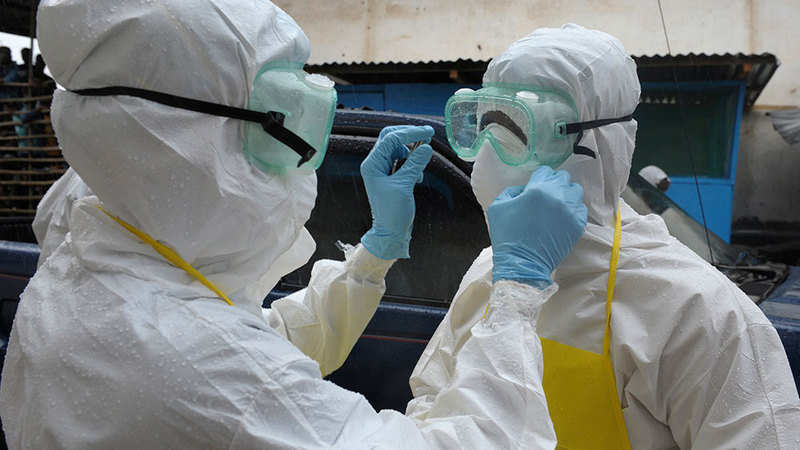
He urged medical personnel to strictly adhere to infection prevention protocols, including hand hygiene, use of personal protective equipment, early isolation of suspected cases and prompt reporting through established surveillance channels.
Mr Idris appealed to Nigerians against panicking or spreading misinformation, stressing that there was currently no confirmed Ebola case in the country.
“Residents are advised to maintain regular hand hygiene, avoid contact with bodily fluids of sick persons and refrain from handling dead animals or bushmeat from unknown sources.”
He also encouraged members of the public to promptly report unusual illnesses to health facilities and rely only on verified information from official public health authorities.
The News Agency of Nigeria reports that the latest alert has renewed concerns about the possibility of regional spread, particularly in countries with high levels of movement and trade across borders.
Nigeria’s extensive travel connections and large population make preparedness essential, especially given the country’s previous experience managing Ebola outbreaks.
Nigeria was internationally praised for containing the 2014 Ebola outbreak after swift tracing and isolation measures prevented widespread transmission following the arrival of an infected traveller from Liberia.
NAN reports that the World Health Organisation (WHO) declared the ongoing Ebola outbreak linked to the Bundibugyo virus in the DRC and Uganda a Public Health Emergency of International Concern (PHEIC), warning of significant regional and global risks.
The decision, announced on May 16 by the WHO Director-General Tedros Ghebreyesus under the International Health Regulations (2005), follows rising infections and deaths, alongside evidence of cross-border transmission.
However, the organisation clarified that the situation did not yet meet the threshold for a pandemic emergency.
Data from WHO showed that as of May 16, eight laboratory-confirmed cases, 246 suspected infections, and 80 suspected deaths have been recorded in Ituri Province in eastern DR Congo.
The affected areas include Bunia, Rwampara and Mongbwalu, where clusters of unexplained community deaths have raised alarm.
In Uganda, two confirmed cases including one fatality were reported in the capital, Kampala, within 24 hours of each other.
Both individuals had recently travelled from DR Congo, marking confirmed international spread of the virus.
Unlike other strains of Ebola, there are currently no approved vaccines or targeted treatments for the Bundibugyo variant, raising concerns among global health authorities.
NAN