
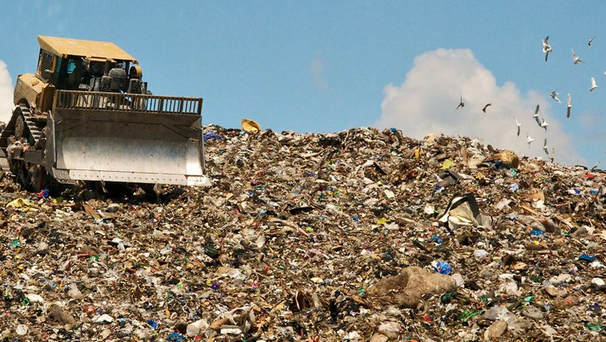
News Investigators/ The Nigerian Association of Chambers of Commerce, Industry, Mines and Agriculture (NACCIMA) says Nigeria generates over 32 million tonnes of solid waste annually.
The Director-General of NACCIMA Sola Obadimu, disclosed this on Monday in Abuja at a project-specific interactive session with the organised private sector and other stakeholders.
The event was organised by the Global Environment Facility (GEF), the United Nations Industrial Development Organisation (UNIDO), and the Resource Efficient and Cleaner Production (RECP) project.
Mr Obadimu, represented by Mr Kunle Fadare, Senior Manager, Administration, said the intervention was timely and strategic.
He said Nigeria’s industrial sector accounts for over 30 per cent of national energy consumption but operates below optimal efficiency levels.
“Studies indicate that energy efficiency improvements in Nigerian industries could deliver savings of between 20 and 40 per cent, translating into reduced costs and lower greenhouse gas emissions.
“At the same time, Nigeria generates over 32 million tonnes of solid waste annually, much of which is industrial and can be reduced through cleaner production techniques,” he said.
He said the Resource Efficient and Cleaner Production approach provides a practical pathway for environmental sustainability, improved profitability, and long-term business resilience.
According to him, the initiative aligns with NACCIMA’s mandate to promote a competitive private sector.
“We will continue to advocate policies and practices that enhance productivity, reduce operational inefficiencies, and open new frontiers for sustainable growth,” he said.
Obadimu reiterated NACCIMA’s commitment to working with stakeholders to deepen awareness, build capacity, and promote the adoption of energy-efficient and cleaner production practices.
“Together, we can build an industrial sector that is productive, competitive, sustainable, and globally relevant,” he said.
Earlier, Mr Jacob Oladipo, National Project Coordinator, GEF-UNIDO Industrial Energy Efficiency (IEE) and RECP Project, said stakeholder participation reflected strong commitment to sustainable industrial development.
He said the project had recorded major progress in promoting industrial energy efficiency and cleaner production practices.
According to him, improving resource efficiency and reducing energy consumption are not only environmentally responsible but also sound business strategies that enhance productivity and competitiveness.
NAN