
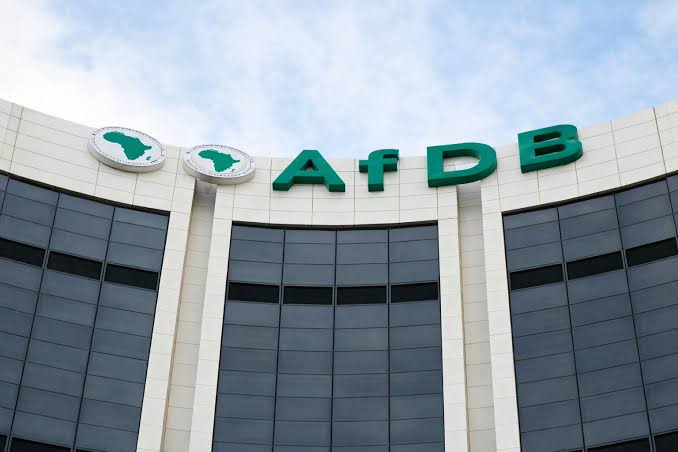
News Investigators/ African deposit and investment funds have endorsed the African Development Bank Group initiative aimed at reforming the continent’s financial architecture and reducing dependence on external financing.
The endorsement was made during a session of the African Forum of Deposit Funds held on the sidelines of the 2026 AfDB Annual Meetings in Brazzaville.
The session examined the role of institutional investors in the New African Financial Architecture for Development (NAFAD), an initiative championed by AfDB President, Sidi Ould Tah.
Managing Director of the Niger Deposit and Investment Fund, Ms Assoumane Mourjatou, said the initiative would strengthen Africa’s development financing mechanisms.
According to her, NAFAD will improve the mobilisation of domestic resources, encourage greater participation of institutional investors and reduce reliance on foreign financing.
“I welcome the African Development Bank’s initiative, which seeks to strengthen African development financing mechanisms through better mobilisation of domestic resources,” Mourjatou said.
She added that the initiative would enable African countries to access larger pools of capital to address pressing development challenges.
NAFAD was adopted by African financial institutions through the Abidjan Consensus in April and later endorsed by African leaders during the African Union summit in Addis Ababa.
The initiative is designed to mobilise Africa’s domestic financial resources and channel them into transformative development projects, while also strengthening African financial institutions and reducing fragmentation within the continent’s financial ecosystem.
The AfDB estimates Africa’s annual development financing gap at more than 400 billion dollars.
At the same time, the continent holds about four trillion dollars in managed savings through pension funds, sovereign wealth funds, insurance companies and other domestic financial institutions.
The Deputy Managing Director of Deposit and Consignment Fund, Gabon, Ms Angélique Bouka, said deposit funds were critical in converting idle savings into productive investments.
“A country’s sovereignty begins with its ability to mobilise national savings for its priority investments,” she said.
Also, Managing Director of CDG Capital, Mehdi Bouriss, said deposit funds often invest in sectors overlooked by conventional financiers.
According to him, such institutions support financing for local authorities and strategic sectors that struggle to attract private capital.
Meanwhile, Director of Financial Management Control, Deposit and Consignment Fund, Tunisia, Mr Mohamed Salem, said efforts were ongoing to mobilise savings from the African diaspora.
He noted that diaspora resources could be channelled into projects that promote economic transformation and sustainable growth.
Participants at the forum stressed the need for strong legal and regulatory frameworks to enable deposit funds operate effectively and independently.
They also called for safeguards against excessive political interference and investment risks.
The session attracted representatives from several African countries seeking to establish deposit funds and learn from existing models across the continent.
It also provided a platform for sharing experiences and best practices among deposit funds, investment funds and asset management institutions.
Executive Director for Mobilisation, Partnerships and Communication, French Development Agency, Adama Mariko, moderated the discussion.
The AfDB Annual Meetings, which began on May 25, ended on May 29.
NAN